การยืดอายุการใช้งานของล้อเจียร: คู่มือฉบับสมบูรณ์สำหรับผู้ซื้อในอุตสาหกรรม
สำหรับผู้ผลิตและโรงงานตัดเฉือนทั่วโลก ล้อเจียรถือเป็นวัสดุสิ้นเปลืองที่สำคัญซึ่งส่งผลกระทบโดยตรงต่อประสิทธิภาพการผลิต คุณภาพผิวสำเร็จ และต้นทุนการดำเนินงาน การทำความเข้าใจปัจจัยสำคัญที่มีอิทธิพลต่ออายุการใช้งานของล้อเจียรสามารถนำไปสู่การประหยัดต้นทุนได้อย่างมากและปรับปรุงคุณภาพผลผลิต บทความนี้จะพิจารณาประเด็นสำคัญสี่ประการที่ผู้จัดการฝ่ายจัดซื้อและวิศวกรการผลิตทุกคนควรพิจารณาเมื่อทำงานกับล้อเจียรที่มีฤทธิ์กัดกร่อน
1. คุณภาพของผลิตภัณฑ์มีความสำคัญเหนือสิ่งอื่นใด
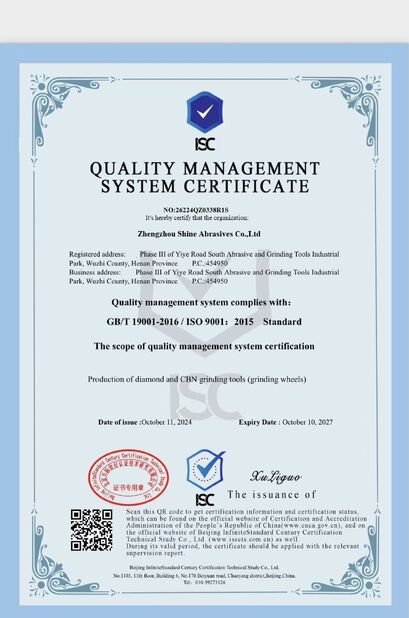
ล้อเจียรคุณภาพต่ำต้องทนทุกข์ทรมานจากอัตราการสึกหรอที่เร่งขึ้นและอายุการใช้งานที่สั้นลงอย่างมาก วัสดุยึดเกาะที่ด้อยกว่าและการกระจายตัวของเม็ดขัดที่ไม่สม่ำเสมอทำให้ล้อเสื่อมสภาพก่อนเวลาอันควร ส่งผลให้ผู้ปฏิบัติงานต้องเปลี่ยนล้อบ่อยเกินความจำเป็น การเลือกล้อเจียรคุณภาพสูงจากผู้ผลิตที่มีชื่อเสียงช่วยให้มั่นใจได้ถึงโครงสร้างของเกรนที่สม่ำเสมอ ความแข็งแรงในการยึดเกาะที่เหนือกว่า และการกระจายความแข็งที่สม่ำเสมอ แม้ว่าล้อระดับพรีเมียมอาจมีต้นทุนล่วงหน้าที่สูงกว่า แต่อายุการใช้งานที่ยาวนานขึ้นและประสิทธิภาพการเจียรที่ดีขึ้นทำให้ต้นทุนรวมในการเป็นเจ้าของลดลงอย่างมากเมื่อเวลาผ่านไป ให้ความสำคัญกับล้อที่ได้มาตรฐานคุณภาพระดับสากลเสมอ เช่น การรับรอง ISO 9001
2. การตกแต่งล้ออย่างเหมาะสมเป็นสิ่งสำคัญ
การตกแต่งล้อเจียรมากเกินไปทำให้เกิดโทษสองเท่า: ทำให้คุณภาพการเจียรลดลงพร้อมทั้งลดอายุการใช้งานของล้อลงอย่างมาก การตกแต่งที่มากเกินไปจะช่วยขจัดวัสดุที่มีฤทธิ์กัดกร่อนได้มากกว่าที่จำเป็น ทำให้สูญเสียความหนาของล้ออันมีค่า และทำให้เครื่องหยุดทำงานโดยไม่จำเป็น ในทางกลับกัน การตกแต่งที่ไม่เพียงพอจะนำไปสู่การบรรทุกล้อและการเคลือบ ซึ่งทำให้ชิ้นงานเสียหายจากความร้อน แนวทางที่เหมาะสมที่สุดเกี่ยวข้องกับการตกแต่งตามเงื่อนไข — การตรวจสอบสภาพพื้นผิวล้อและการตกแต่งเฉพาะเมื่อตัวบ่งชี้ประสิทธิภาพ เช่น แรงเจียรที่เพิ่มขึ้น การเสื่อมสภาพของความหยาบของพื้นผิว หรือสัญญาณเสียงที่ได้ยินเป็นตัวกำหนดเท่านั้น การใช้เครื่องมือตกแต่งที่แม่นยำและการฝึกอบรมผู้ปฏิบัติงานเกี่ยวกับเทคนิคการตกแต่งที่เหมาะสมสามารถยืดอายุล้อได้ 20-40% ในการใช้งานหลายประเภท
3. การทำงานที่ถูกต้องช่วยป้องกันการสึกหรอโดยไม่จำเป็น
การใช้ล้อเจียรที่ไม่เหมาะสมเป็นสาเหตุหนึ่งที่พบบ่อยที่สุดแต่สามารถป้องกันได้ง่ายของการสึกหรอของล้อก่อนวัยอันควร ข้อผิดพลาดในการดำเนินงานที่สำคัญ ได้แก่ :
- อัตราการป้อนมากเกินไป— การบังคับล้อให้เกินค่าที่กำหนดจะทำให้เกรนแตกหักอย่างรวดเร็วและพันธะแตกตัว
- ความเร็วล้อไม่ถูกต้อง— การทำงานที่สูงหรือต่ำกว่าช่วง RPM ที่แนะนำทำให้เกิดรูปแบบการสึกหรอที่ไม่สม่ำเสมอ
- การใช้สารหล่อเย็นไม่เพียงพอ— การระบายความร้อนที่ไม่เพียงพอทำให้เกิดความเครียดจากความร้อนและการแตกร้าวขนาดเล็กภายในโครงสร้างล้อ
- การติดตั้งที่ไม่เหมาะสม— ล้อที่ไม่สมดุลหรือติดตั้งไม่ดีจะสั่นสะเทือนมากเกินไป การสึกหรอเร็วขึ้นและก่อให้เกิดความเสี่ยงด้านความปลอดภัย
การสร้างขั้นตอนการปฏิบัติงานที่เป็นมาตรฐานและการฝึกอบรมผู้ปฏิบัติงานเป็นประจำเป็นขั้นตอนสำคัญในการยืดอายุการใช้งานของล้อเจียรให้สูงสุด
4. จับคู่ล้อกับวัสดุ
วัสดุชิ้นงานและข้อกำหนดในการประมวลผลที่แตกต่างกันต้องการข้อกำหนดเฉพาะของล้อเจียรที่แตกต่างกัน ตารางต่อไปนี้แสดงแนวทางการเลือกทั่วไป:
| วัสดุชิ้นงาน |
แนะนำสารขัดถู |
ประเภทพันธบัตรทั่วไป |
| เหล็กกล้าคาร์บอน / โลหะผสมเหล็ก |
อะลูมิเนียมออกไซด์ (Al₂O₃) |
แก้ว / เรซิน |
| สแตนเลส |
เซรามิกอลูมินา / เซอร์โคเนีย |
เรซิน |
| เหล็กหล่อ |
ซิลิคอนคาร์ไบด์ (SiC) |
กลายเป็นแก้ว |
| ซีเมนต์คาร์ไบด์ / เซรามิกส์ |
ไดมอนด์ (CBN) |
โลหะ / เรซิน |
| โลหะที่ไม่ใช่เหล็ก (Al, Cu, ทองเหลือง) |
ซิลิคอนคาร์ไบด์ (SiC) |
กลายเป็นแก้ว |
การเลือกประเภทการขัดถู ขนาดกรวด เกรด และพันธะที่เหมาะสมสำหรับการใช้งานแต่ละอย่าง ช่วยให้มั่นใจได้ถึงอัตราการขจัดเศษวัสดุที่เหมาะสมที่สุด ขณะเดียวกันก็ลดการใช้ล้อให้เหลือน้อยที่สุด ดูแคตตาล็อกของผู้ผลิตล้อและดำเนินการทดลองดำเนินการเมื่อประมวลผลวัสดุใหม่เพื่อสร้างการจับคู่ระหว่างล้อกับวัสดุที่ดีที่สุด
บทสรุป
การเพิ่มอายุการใช้งานของล้อเจียรให้สูงสุดนั้นเป็นความท้าทายในหลายแง่มุมที่ต้องให้ความสนใจกับคุณภาพของผลิตภัณฑ์ แนวทางปฏิบัติในการตกแต่งที่มีระเบียบวินัย พารามิเตอร์การปฏิบัติงานที่เหมาะสม และการเลือกล้ออย่างชาญฉลาด การลงทุนในล้อคุณภาพพรีเมียม การฝึกอบรมผู้ปฏิบัติงานเกี่ยวกับแนวปฏิบัติที่ดีที่สุด และการจับคู่ข้อกำหนดคุณสมบัติด้านการขัดถูกับวัสดุชิ้นงาน ล้วนมีส่วนช่วยลดต้นทุนการเจียรโดยรวมและผลลัพธ์การผลิตที่ดีขึ้น สำหรับธุรกิจที่ต้องการเพิ่มประสิทธิภาพการดำเนินงานการเจียร การทบทวนปัจจัยทั้งสี่นี้ถือเป็นจุดเริ่มต้นที่ดีเยี่ยมในการบรรลุการปรับปรุงที่วัดผลได้ทั้งในด้านประสิทธิภาพการผลิตและต้นทุนที่มีประสิทธิภาพ


 ข้อความของคุณจะต้องอยู่ระหว่าง 20-3,000 ตัวอักษร!